
Boston 250 & America 250 in Boston (2026 Guide)
In most cities, history is something you visit. In Boston, history is something you walk through. It is in the brickwork and the street names, in meeting houses and harbor wind, in the way the city still argues about what it wants to be, and who it is for. That is why 2026 matters here. This is a year when Boston’s origin story is not a single museum label, it is the backdrop to everyday life.
Boston 250 is a citywide effort to align and uplift Boston’s revolutionary past and present, bringing together programs across neighborhoods, institutions, and community groups. America 250 marks the national semiquincentennial, commemorating the 250th anniversary of the signing of the Declaration of Independence on July 4, 2026. Taken together, they make 2026 one of the most meaningful years to visit Boston in a generation, especially if you like travel that feels both celebratory and grounded.
What this looks like on the ground
Do not think of Boston 250 as one single “event.” Think of it as a yearlong layer over the city, a theme that shows up in different ways depending on where you go and what you care about. Some weeks it will feel like a big, public moment. Other weeks it will be smaller, a talk in a historic space, a walking tour with a new lens, a pop up performance, a neighborhood gathering that ties then to now.
If you are planning a trip, the best approach is simple: choose your Boston first, then let the 250 programming add depth.
Choose your “Boston first”
Every visitor wants a different version of the city. In 2026, those versions all work. Pick one as your anchor
The classic Revolutionary Boston
If you want the iconic sites, you can build your days around the Freedom Trail area and nearby neighborhoods. That is the Boston of steeples, cobblestones, and stories that most people recognize even if they have not thought about them in years.
The harbor Boston
If your ideal day includes open sky, ferries, skyline views, and a breeze that makes July feel tolerable, base your trip around the waterfront and treat the harbor as the main attraction. This is where Boston’s revolutionary identity and its maritime identity blend naturally.
The neighborhood Boston
If you want the city to feel local, not like a checklist, choose a neighborhood to live in for a few days and explore outward in small arcs. A quiet morning café, a bookstore, a walk through a square, then one big history moment each afternoon. That rhythm is underrated, and it works beautifully for 250 travel because it leaves room for explorey.
Places where 2026 will feel especially real
Boston’s 250 story is not confined to a single block. Still, a few areas naturally hold more gravity:
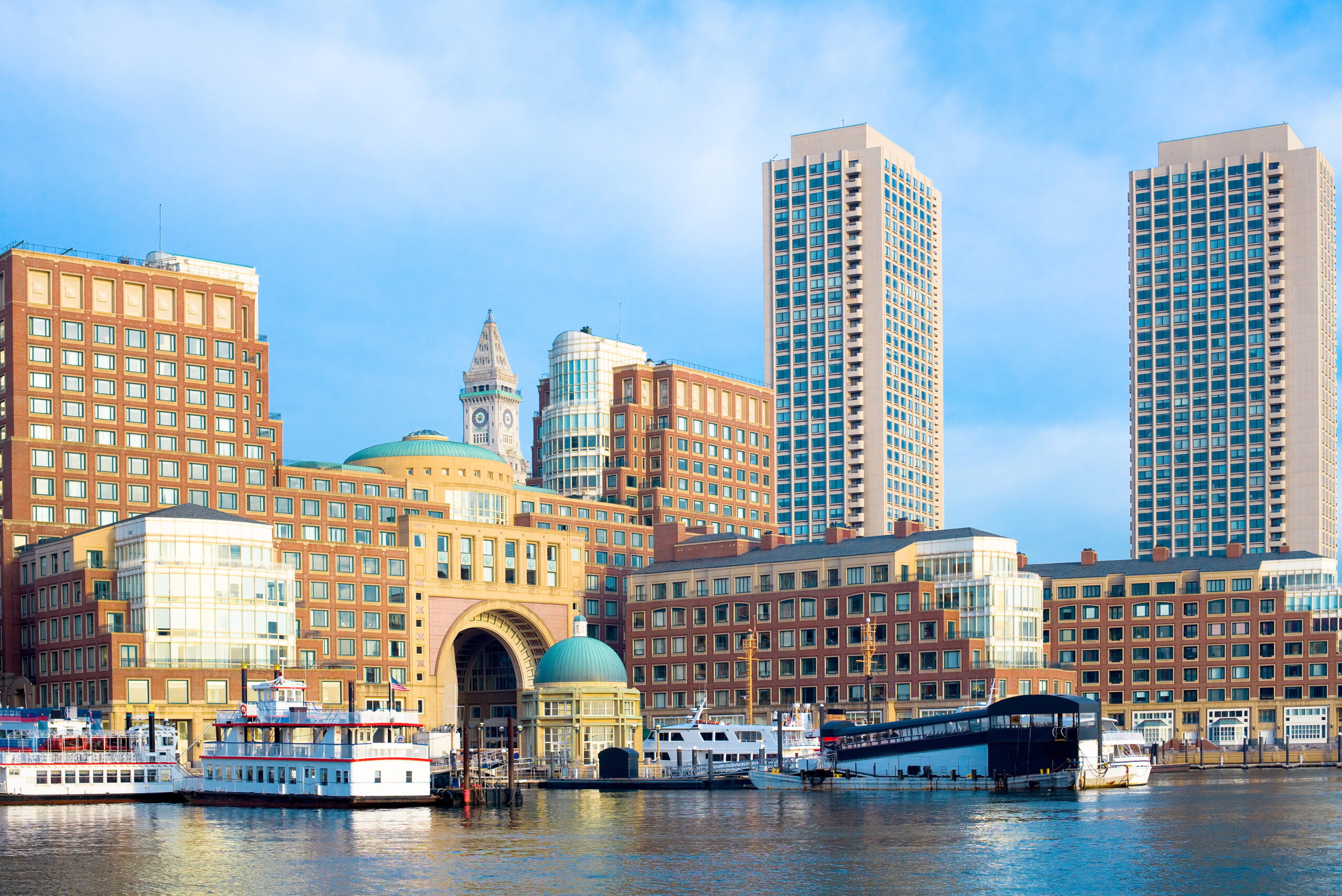
Downtown and the North End
This is where you can stitch together sites on foot with almost no planning. It is also one of the best places to do history at night, when the streets calm down and the city feels older.
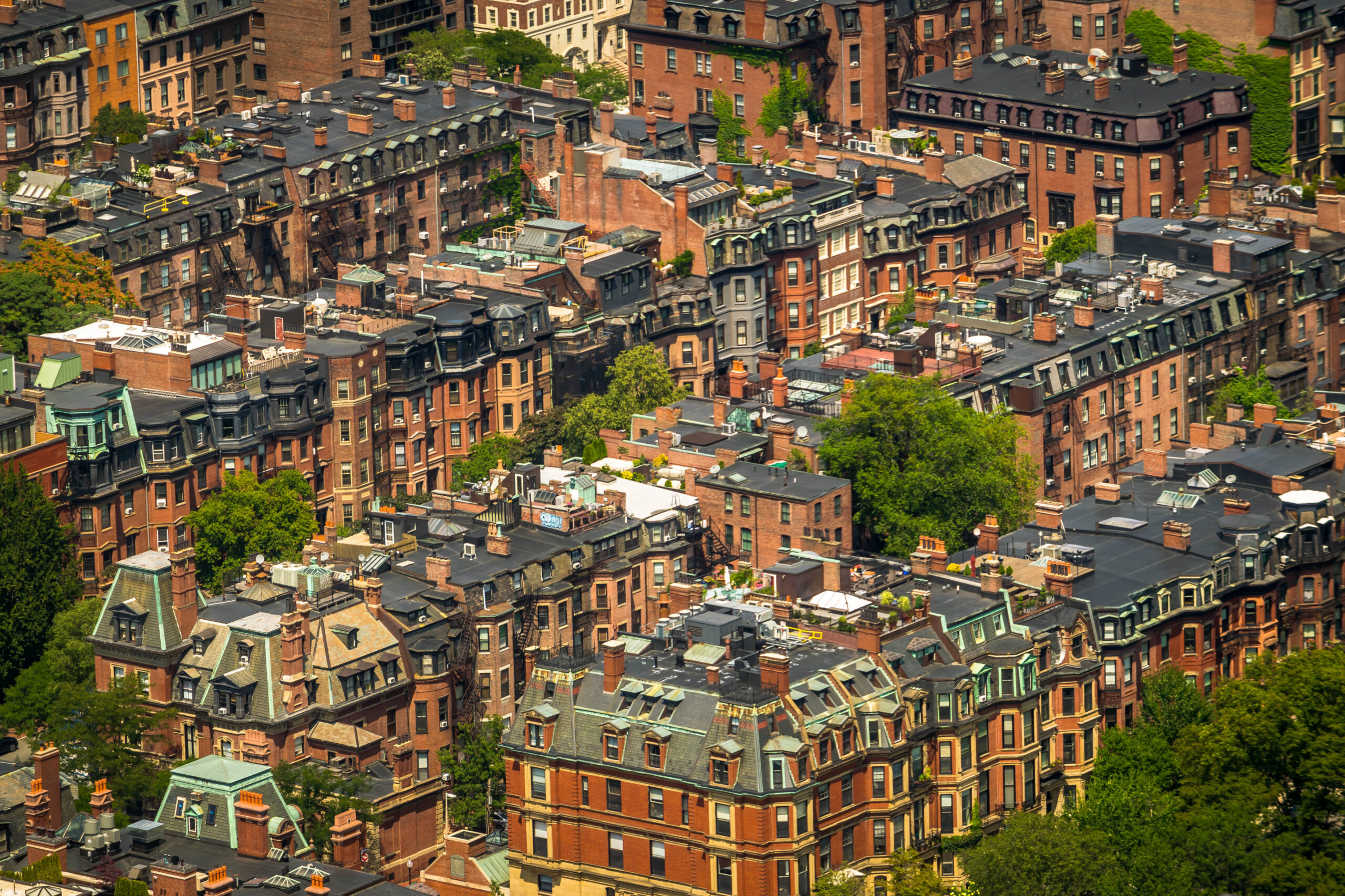
Back Bay and the Public Garden corridor
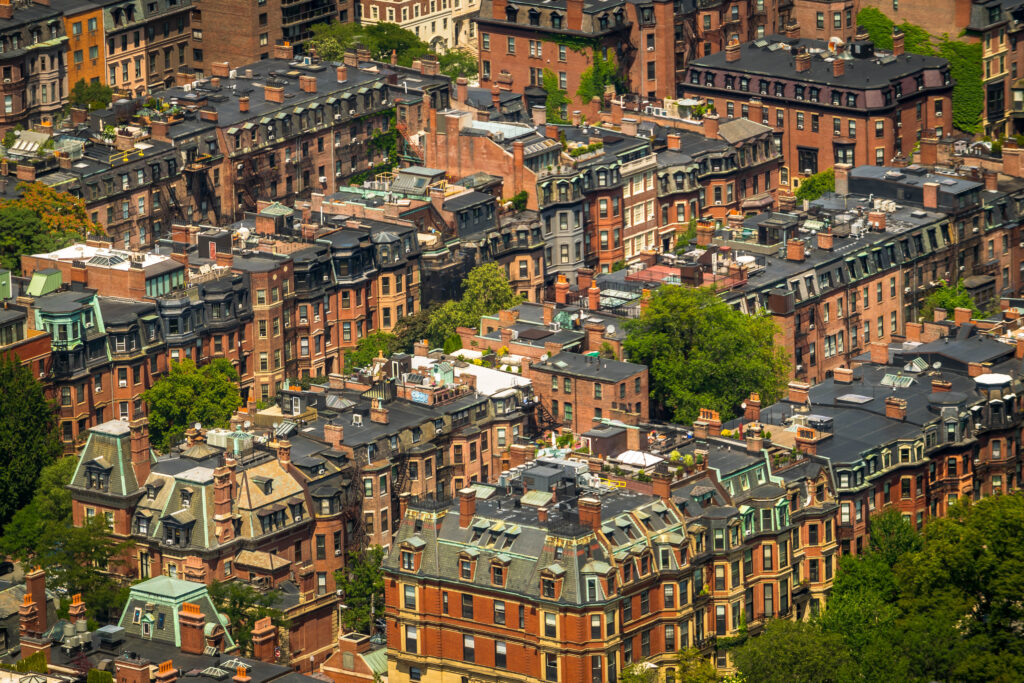
This is not the Revolutionary core, but it is where you can balance “big day Boston” with breathing room. Think long walks, handsome streets, and a calm evening after a dense history afternoon.
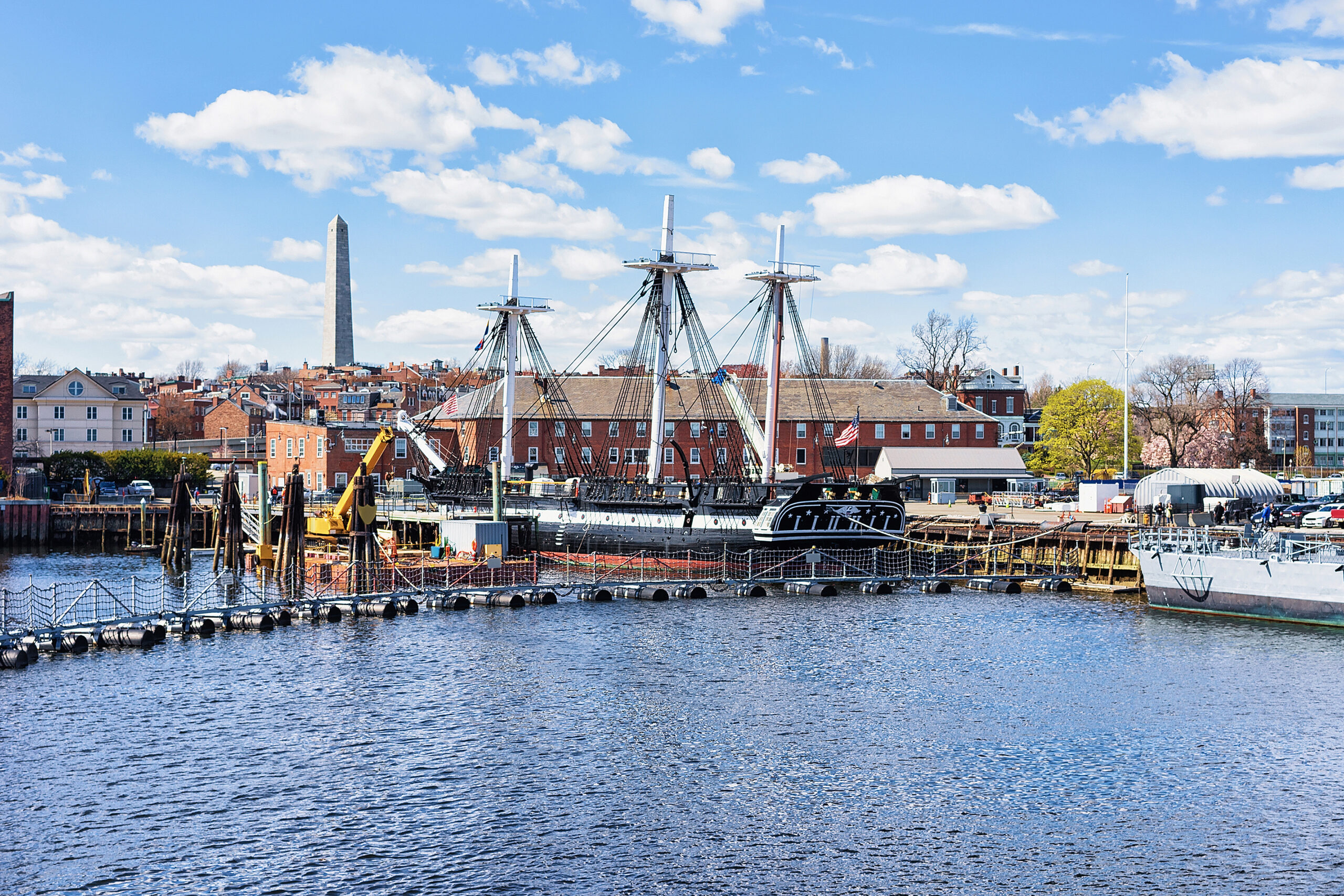
Charlestown
Charlestown has a different energy, more space and more horizon. It is ideal for a half day that mixes history with waterfront views. In a 250 year, it is also a place where commemorations often feel especially vivid.
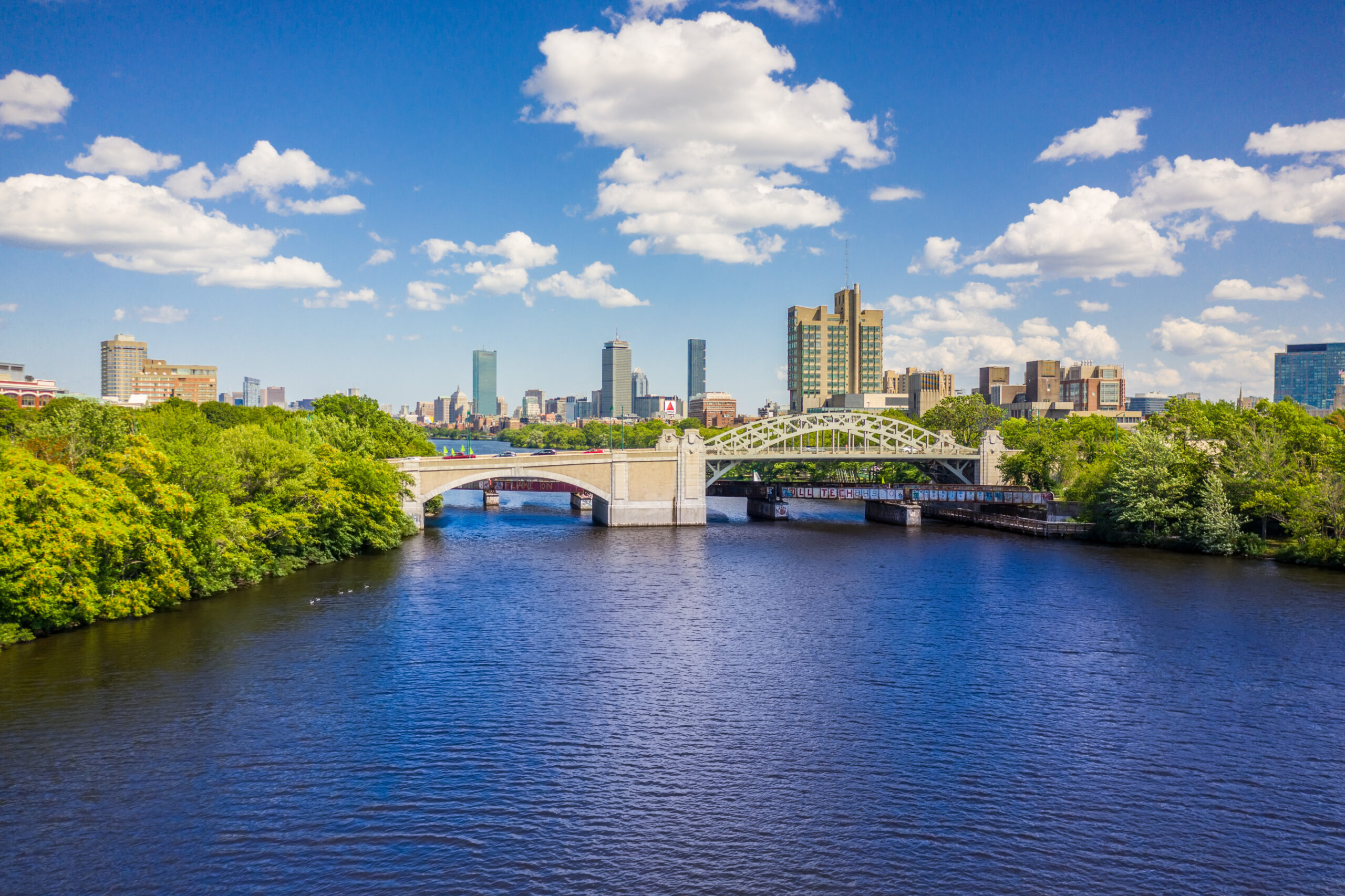
Cambridge as a day add on
When you want a reset from the busiest tourist corridors, Cambridge gives you a different kind of intellectual Boston. It is a good place for an evening meal, a bookstore hour, and a reminder that the city’s identity is still built on ideas.
A smart way to plan: pick themes, not just sites
If you only plan by landmark, your trip can feel like homework. If you plan by theme, it feels like travel.
Here are four themes that work well in 2026:
Revolution and resistance
Follow the tension, not just the facts. Look for programming that explores who was included, who was left out, and how the city has argued with itself since the beginning. Boston 250 is explicitly framed to connect the revolutionary past to the present.
Harbor and trade
Boston’s story is a harbor story. Plan at least one day around the waterfront, even if your trip is in spring or fall. You will understand the city faster if you watch it from the water at least once.
Voices and printing, ideas and debate
Boston has always been loud in the best way. In 2026, talks, readings, and performance programming can be as memorable as the “big sites,” especially if you enjoy travel that feels like a conversation.
Neighborhood history
The most meaningful 250 experiences may be the ones that are not designed for tourists. Keep an eye out for neighborhood events and community programming that connect local stories to the anniversary.
When to visit in 2026
Boston is seasonal, and that matters.
Spring (April to June) is the sweet spot if you like walking weather and want a lively city without peak summer heat. It is also when you may find a natural blend of 250 programming and annual favorites like Patriots’ Day weekend.
Summer (July) is the biggest celebration season, especially around the harbor, but it is also the most crowded and the most expensive.
Fall (September to October) is Boston at its best for many travelers: crisp air, beautiful light, and an energy that feels both busy and manageable.
Winter (November to March) can be magical if you plan for it. Museums feel easy, restaurants feel cozy, and holiday season adds warmth. You just have to pack like a local.
Two itineraries that work for almost everyone
A two day “first time in 2026” plan
Day 1: Old Boston
Old Boston, walked slowly. Start early in the historic core while the sidewalks still belong to locals. Do one focused guided experience (a walking tour, a specific site, or a museum visit) and then leave time to wander. The goal is not to see everything, it is to feel the city’s logic. End the day with dinner in a neighborhood that still feels historic after dark.
Day 2: Harbor Boston
Make the waterfront the point of the day. Walk a long stretch, stop for coffee with a view, and plan at least one “moving” experience (a ferry ride, a harbor cruise, or a harbor islands plan if timing works). Even a short ride changes your sense of Boston’s scale and history.
A two day “first time in 2026” plan
Day 1: Old Boston
Old Boston, walked slowly. Start early in the historic core while the sidewalks still belong to locals. Do one focused guided experience (a walking tour, a specific site, or a museum visit) and then leave time to wander. The goal is not to see everything, it is to feel the city’s logic. End the day with dinner in a neighborhood that still feels historic after dark.
Day 2: Harbor Boston
Make the waterfront the point of the day. Walk a long stretch, stop for coffee with a view, and plan at least one “moving” experience (a ferry ride, a harbor cruise, or a harbor islands plan if timing works). Even a short ride changes your sense of Boston’s scale and history.
Practical travel notes that make a huge difference
Do not overschedule. Boston rewards curiosity. If you plan every hour, you will miss what makes the city feel alive.
Build in quiet time. A library stop, a garden walk, a long lunch. These pauses make the big history moments land.
Assume walking is your main mode. Even if you take the T, the best Boston days are still built around walking blocks that feel different from one another.
If you are traveling with kids: choose one big “story” site per day, then pair it with something open air. The city can feel dense to younger travelers if the day is all interiors.
- Book your “anchor” experiences first (anything timed, ticketed, or seasonal), then keep the rest flexible.
- Plan one early morning each trip. Boston before the crowds feels like a different city.
- If you are visiting during a peak weekend, base yourself slightly outside the busiest core and commute in for the big moments. You will sleep better and spend less time in lines.