Why go
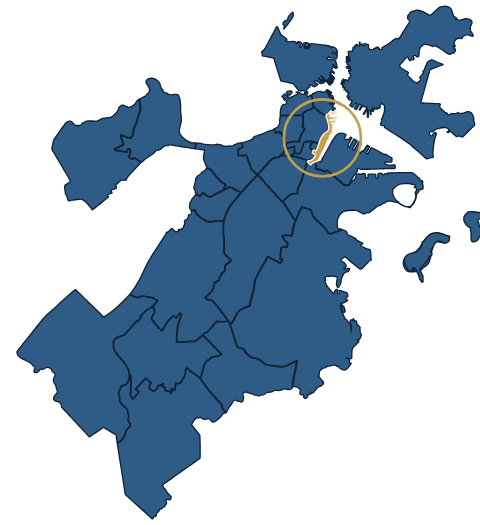
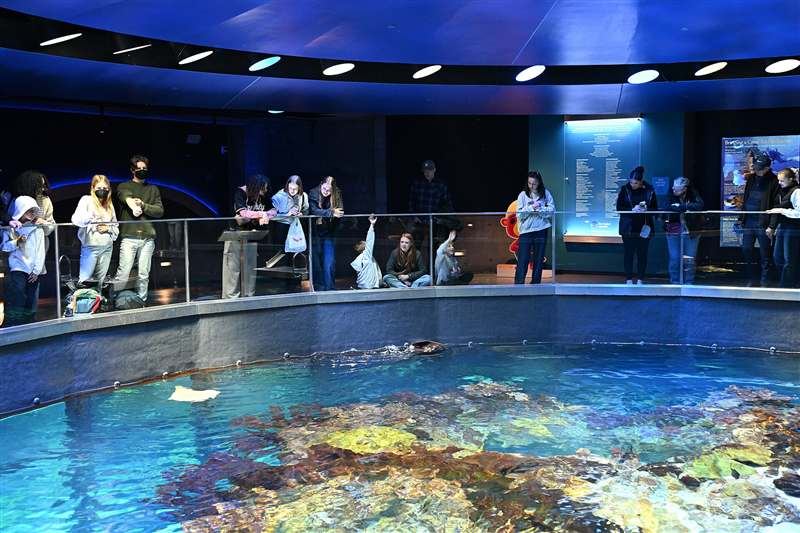
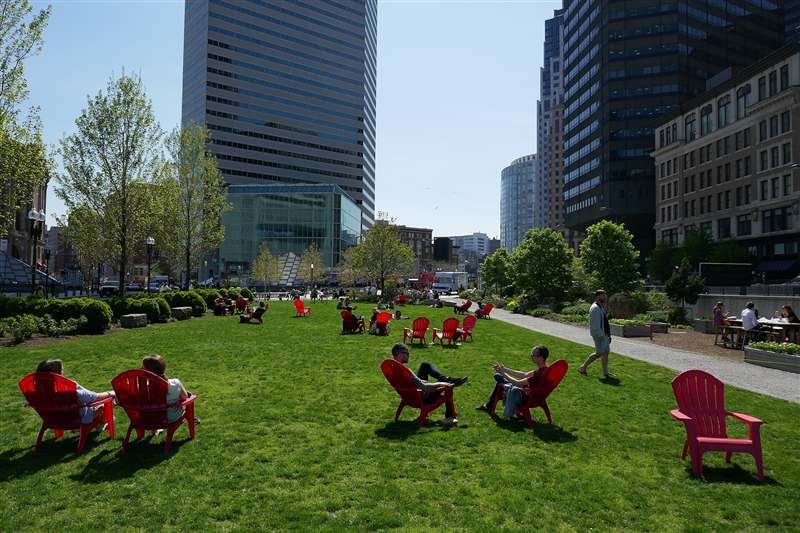
The Wharf District is the downtown waterfront: the run of wharves along Atlantic Avenue from Christopher Columbus Park south to Rowes Wharf, with the Rose Kennedy Greenway on its inland side. This is where colonial Boston did its shipping, and it is still where most of the harbor’s passenger boats leave from, including ferries to Charlestown, the South Shore and the Harbor Islands. Add the New England Aquarium and the Harborwalk and it is one of the easiest places in the city to spend a few hours by the water, most of it free.
Who might not love it: on a hot July Saturday the Aquarium plaza and Long Wharf are crowded and the waterfront restaurants have waits. In winter the wind off the harbor is serious. If you want neighborhood life rather than harbor views, the North End is a few minutes’ walk inland.
Getting around
Aquarium station on the Blue Line sits at Atlantic Avenue and State Street, in the middle of the district, and has elevators. State station, a few blocks inland, adds the Orange Line. Rowes Wharf is a short walk from South Station (Red Line, Silver Line and Commuter Rail). Bluebikes has docks at the Aquarium T stop and at Rowes Wharf.
This is also Boston’s ferry hub. The MBTA’s Charlestown Ferry runs year-round from Long Wharf (South) to the Charlestown Navy Yard, and the Hingham/Hull ferry stops at both Long Wharf and Rowes Wharf. Seasonal MBTA routes to East Boston, Lynn, Winthrop and Quincy also use the Long Wharf and Central Wharf area, and the weekday Harbor Loop calls at Central Wharf on its way between North Station’s Lovejoy Wharf, the Seaport and Logan Airport. The Harbor Islands ferry, run by Boston Harbor City Cruises, leaves from Long Wharf North.
The district is flat and easy on foot. Street parking is metered and hard to find on summer weekends; the garages along Atlantic Avenue are the realistic option.
When to go
Summer is peak season: the fountains are on, the boats run most often and the plaza is full. Boston Harborfest, the city’s Fourth of July festival, spreads along the waterfront and the Greenway every early July, and the Boston Harbor Hotel stages its Summer in the City music series at Rowes Wharf through the summer. Harbor Islands ferries run from mid-May to mid-October, with the schedule thinning at both ends.
Fall is the sweet spot: thinner crowds, clear light and some island boats still running into October. In winter the Aquarium is the reason to come. Any time of year, early morning and the hour before sunset are the calmest.
A short history
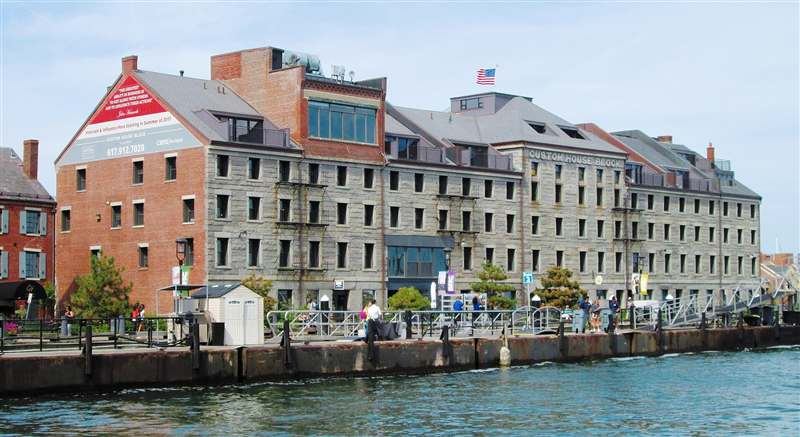
By the late 1700s Boston had about 80 wharves, and Long Wharf, built between 1710 and 1721 at the foot of today’s State Street, was the most important of them, reaching about 1,600 feet into the harbor, long enough for up to 50 ships to tie up and unload straight into its warehouses. British troops left from it at the end of the Siege of Boston in March 1776, and the news of the Declaration of Independence landed here that July. It was designated a National Historic Landmark in 1966. Just inland, the Custom House tower, added in 1915 to an 1847 granite building, stood as the city’s tallest for about half a century.
As shipping moved to larger terminals, the wharves turned to other uses, and the elevated Central Artery cut the waterfront off from downtown for decades. The New England Aquarium opened on Central Wharf in 1969 and the Rowes Wharf complex in 1987. The Big Dig, begun in 1991, buried the highway, and the Greenway opened on top of it in October 2008, stitching downtown back to the harbor.
Local tips
- The Aquarium’s harbor seals, usually free to watch on the front plaza, are off exhibit in late 2026 while their habitat is rebuilt.
- The MBTA’s Charlestown Ferry from Long Wharf doubles as a short harbor cruise and drops you at the Navy Yard, near USS Constitution.
- For the Harbor Islands in summer, give yourself time at Long Wharf North; the ticket office is there, and advance tickets are sold too.
- Walk the Harborwalk behind the hotels between Long Wharf and Rowes Wharf rather than along Atlantic Avenue. It is quieter and closer to the water.