Why go
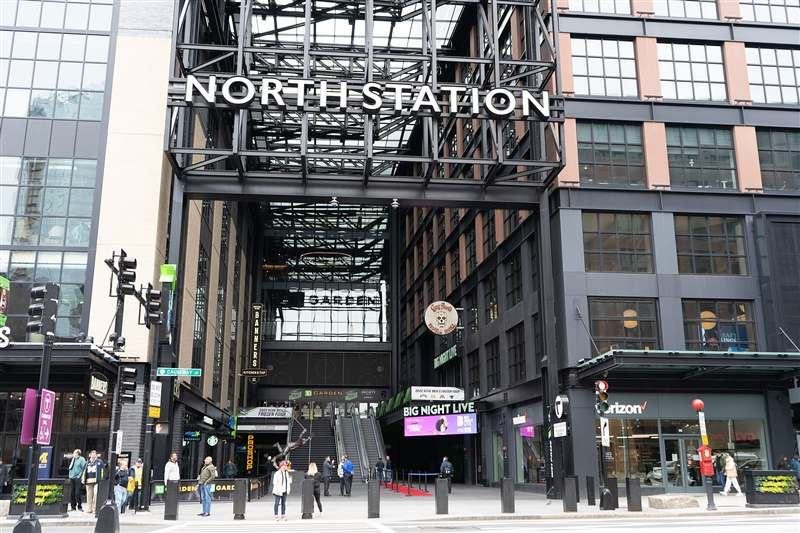
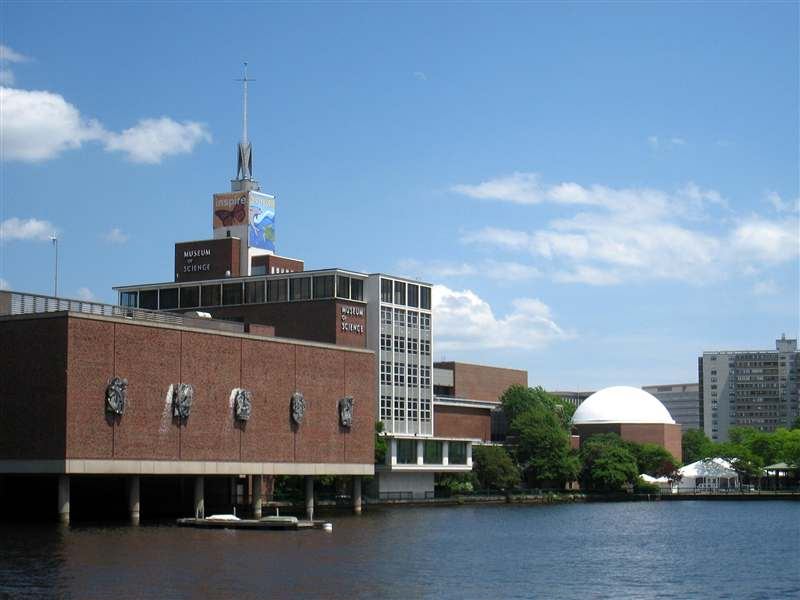
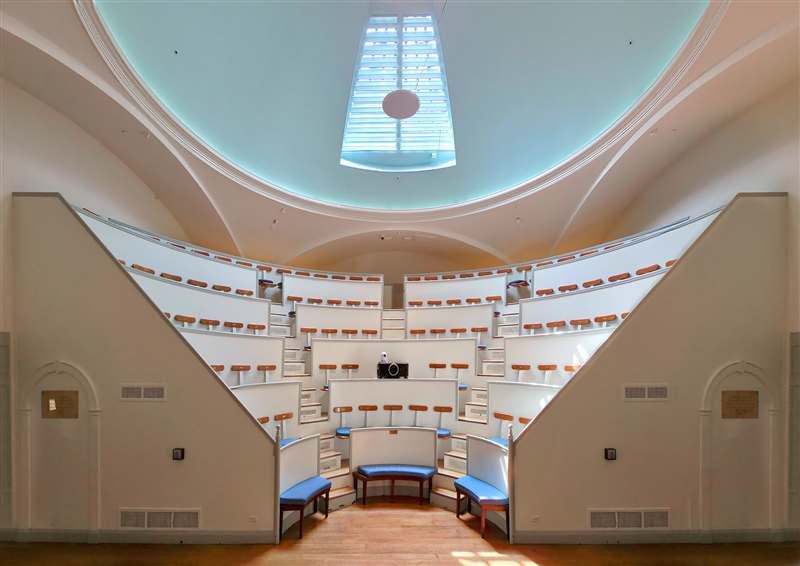
Most people come to the West End for a reason, not a stroll: a game or concert at TD Garden, a day at the Museum of Science, a train from North Station, an appointment at Mass General. That is fine: it works well as a base, with the river, Beacon Hill and the North End a short walk away.
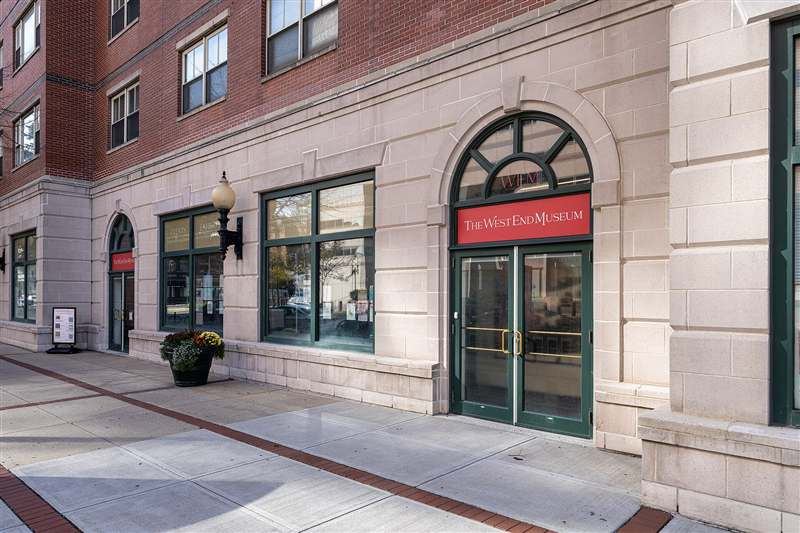
What makes it worth an extra hour is the story underneath. In the late 1950s the city demolished almost the entire residential West End, a crowded, immigrant neighborhood of tenements and corner shops, and replaced it with towers. A small museum, two Federal-era buildings and a street or two of older brick are what remain. If you want charming lanes, go up the hill to Beacon Hill instead. If you want to understand how modern Boston was made, start here.
Getting around
Four T stations ring the neighborhood. North Station (Orange Line, Green Line and Commuter Rail) sits under TD Garden. Science Park/West End (Green Line) is the stop for the Museum of Science. Charles/MGH (Red Line) serves the hospital and the Beacon Hill side of Cambridge Street. Bowdoin (Blue Line) is closest to the West End Museum.
North Station, Science Park/West End and Charles/MGH have elevators. Bowdoin does not, and the MBTA points riders who need step-free access to Government Center, less than a quarter mile away. The streets themselves are mostly flat, unlike Beacon Hill next door, though crossing the big intersections at Leverett Circle and Charles Circle takes patience.
Bluebikes docks include Staniford St at Merrimac St, Canal St at Causeway St and one at the Museum of Science. For drivers, the garage under TD Garden and the hospital garages are the realistic options. Curbside spaces are scarce and disappear on event nights.
When to go
The neighborhood follows the TD Garden calendar. From fall through spring, hockey and basketball nights flood Causeway Street before and after games; the rest of the time it is a quiet workday district. The Beanpot, the college hockey tournament between Boston College, Boston University, Harvard and Northeastern, fills the arena on Monday nights every February.
The Museum of Science is busiest on weekends and school vacation weeks, so a weekday is easier. The river parks are best from late spring to early fall, and at sunset any time of year when the light hits the Zakim Bridge.
A short history
For its first century and a half, this was Boston’s back side: pasture, ropewalks and a mill pond dammed in 1643 and filled after 1807. By the 1790s it had become an elite enclave. Charles Bulfinch, whom the West End Museum calls America’s first native-born architect, designed the Otis House in 1796; Asher Benjamin’s Old West Church followed in 1806, and Mass General’s Bulfinch Building opened on a former pasture in 1821. In the 1800s the neighborhood was home to free Black Bostonians and abolitionists, then to Irish, Italian and Eastern European Jewish immigrants; in 1920 it had more than 18,000 residents. Railroad depots gathered on Causeway Street, and in 1928 North Station and the original Boston Garden opened there.
In 1951 the city announced that much of the West End would be cleared for urban renewal. The residential core was demolished in the late 1950s, and more than 12,000 people were forced to move; the Charles River Park towers rose in its place. Former residents spent decades organizing to keep the memory alive. The result is the West End Museum, West End Park and a name that came back into use after half a century.
Local tips
- After a game, the North Station platforms get crowded fast. Walk five minutes to Haymarket to board the Orange Line or Green Line instead.
- Pair the Otis House and Old West Church; they are next door to each other on Cambridge Street (the house is closed for restoration, so its facade is the visit).
- If you have kids and one free day, spend it at the Museum of Science. Get there at opening on weekends.
- Skip Bowdoin if you have luggage or a stroller. Use Government Center or Charles/MGH.