
Taste Boston’s Seafood
Chowder made with cream and never tomato, lobster rolls hot or cold, oysters by the dozen — eating seafood here is not an activity, it is a birthright.
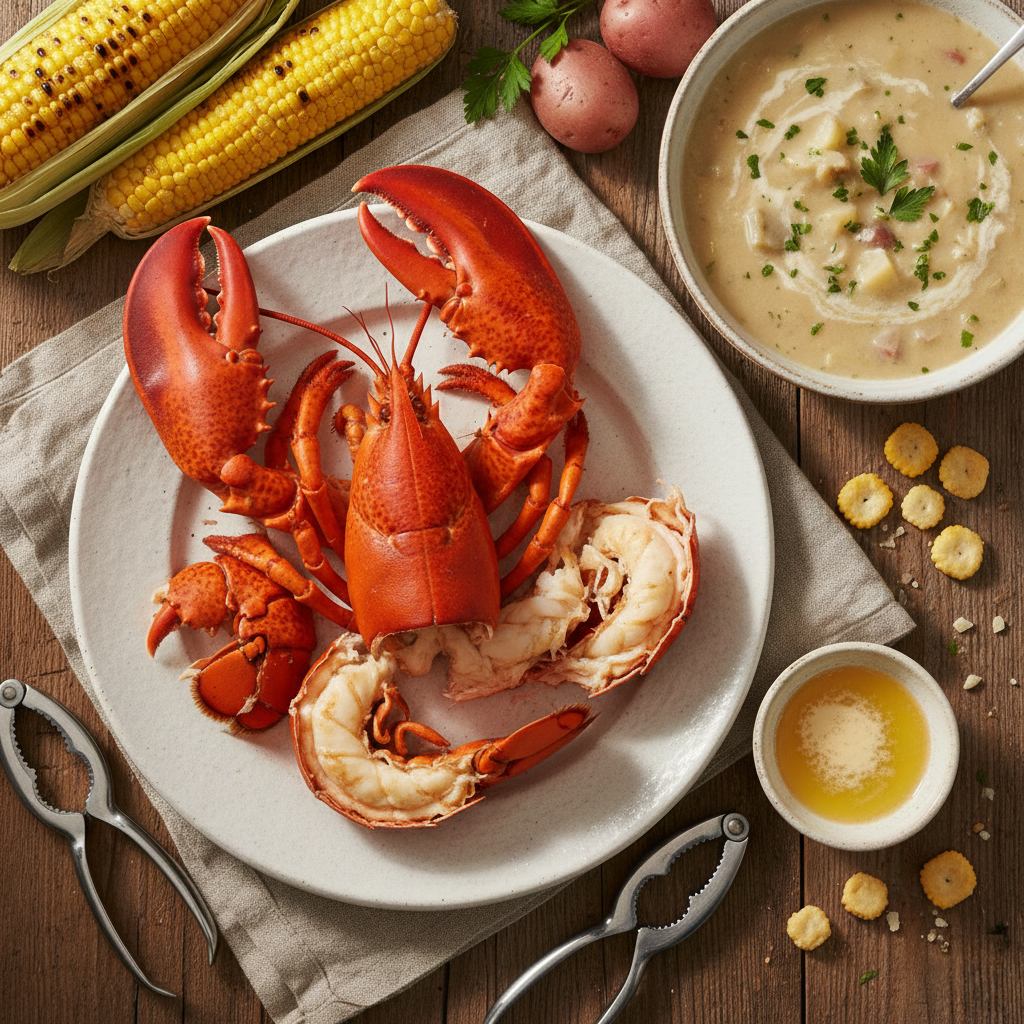
Boston has been pulling dinner out of the Atlantic for four centuries, and it shows. Chowder here is cream-based — tomato is a New York rumor — lobster rolls come in two rival styles, and the raw bars ice down oysters from up and down the New England coast. Come hungry; the arguments are part of the meal.
Chowder rules and the lobster roll question
Start with New England clam chowder: tender clams, potatoes, and cream — never tomato, which around here is considered a New York eccentricity. Then face the lobster roll question, which has divided otherwise reasonable people for generations: warm meat tossed in melted butter, or chilled meat lightly dressed with mayo, each in a toasted split-top roll. We are officially neutral. The only defensible research method is to order both, on different days, and file your findings.
Raw bars and fried clams
Boston’s raw bars ice down oysters from Duxbury, Wellfleet, the Cape, Maine, and points between — order a mixed dozen and you can taste your way up the New England coastline without leaving your stool. The other regional treasure is the fried clam: whole-belly, crisp, invented on the North Shore — in the town of Essex, as Essex tells it — and reason enough for a clam-shack pilgrimage north. Fish and chips and fried scallops round out the fry-basket canon, best eaten from a paper tray, ideally within sight of the water.
The classic room, and where to point yourself
For the full ceremony, there is Union Oyster House near Faneuil Hall — serving since 1826, America’s oldest continuously operating restaurant, with a U-shaped oyster bar where watching the shuckers work is half the meal. Beyond the classic room, follow the water: the Seaport and the downtown waterfront lean modern and polished, the North End folds superb seafood into its Italian kitchens, and nearly every neighborhood keeps a raw bar or chowder pot worth knowing. This is not a one-meal town; treat seafood as a thread running through the whole visit.
Know before you go
- The two rolls: hot with butter or cold with mayo — Boston has never settled it, and you are under no obligation to either.
- The oldest room: Union Oyster House has been serving since 1826 — America’s oldest continuously operating restaurant, steps from the Freedom Trail.
- Ask the shucker: oyster lists turn over daily — ask what came in freshest and order that, whatever the menu says.
- Summer weekends: waterfront rooms and patios fill fast in high season — book the special dinners ahead.
Pair it with
The Explore Boston newsletter
Know the city like you live here
Every morning at 6:30, the Explore Boston daily covers the city’s news, events, and weekends — the classics and the brand-new alike. Free, seven mornings a week.
Join 7,500+ Bostonians · one short email a day · unsubscribe anytime