
Boston’s largest and one of its most diverse neighborhoods, Dorchester is a patchwork of villages, global cuisines, harborfront parks, and vibrant immigrant communities.
Stretching south of downtown between South Boston and the Neponset River, Dorchester is Boston’s largest neighborhood in both land area and population. It is also one of its most diverse and complex. Incorporated in 1630 as an independent town and annexed to Boston in the nineteenth century, Dorchester encompasses multiple sub-neighborhoods, business districts, and waterfronts that together tell the story of the city’s changing demographics.
Dorchester’s geography is varied. Residential streets of three-decker houses and single-family homes fan out from commercial corridors such as Dorchester Avenue, Washington Street, and Blue Hill Avenue. The eastern side of the neighborhood touches Dorchester Bay, where parks and beaches offer views toward downtown and the Harbor Islands. To the south, the Neponset River separates Dorchester from Quincy and Milton and provides a ribbon of green space with walking and biking trails.
Historically, Dorchester began as farmland and small villages. Industrial and residential growth in the nineteenth and early twentieth centuries brought in waves of Irish, Jewish, and other European immigrants. In the decades after World War II, African American families and immigrants from the Caribbean, Vietnam, Cape Verde, and many other parts of the world made Dorchester home. Today, this layered history is visible in its churches and temples, in storefronts that advertise products in multiple languages, and in the variety of cuisines available along main streets.
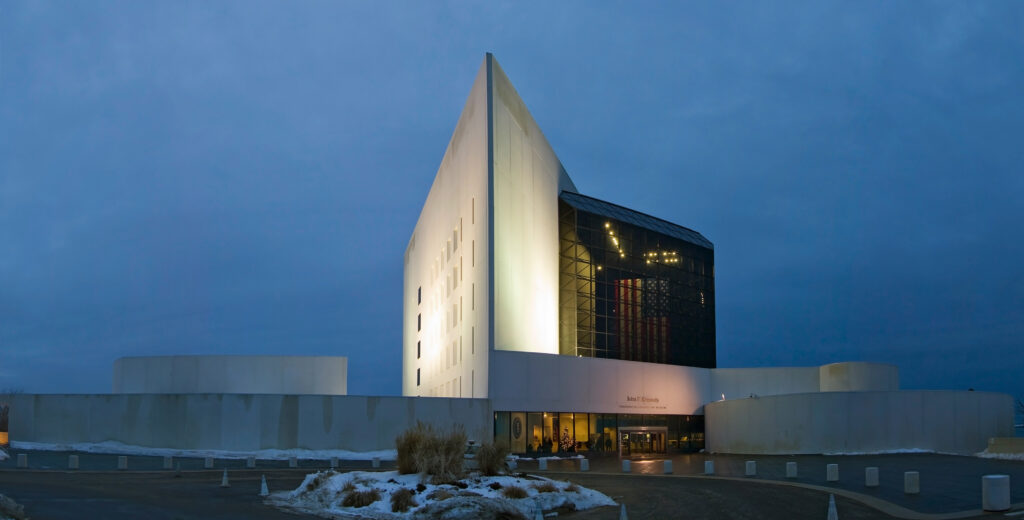
The neighborhood’s internal diversity is easiest to grasp by exploring its distinct sections. Savin Hill and Jones Hill rise in the north with hilltop houses and quick access to the Red Line. Fields Corner and Uphams Corner serve as busy commercial centers filled with Vietnamese restaurants, markets, and bakeries, as well as long-standing Irish pubs and community organizations. Further south, Codman Square and Adams Village function as civic and commercial hubs for surrounding residential areas. University of Massachusetts Boston and the John F. Kennedy Presidential Library sit just across the border on Columbia Point, connecting the neighborhood to major educational and cultural institutions.
Dorchester’s civic life is strong. Neighborhood associations, youth programs, and cultural organizations work to strengthen community ties and address issues such as housing affordability, public safety, and development pressures. Festivals and parades celebrate everything from Caribbean heritage to Vietnamese New Year, and local parks host farmers markets and outdoor performances in the warmer months.
For visitors, Dorchester offers a chance to see a side of Boston often missed by short stays that focus only on downtown or the Freedom Trail. It is a place to seek out Vietnamese pho, Cape Verdean dishes, or Irish breakfasts, to walk along harborfront parks at Malibu Beach or Savin Hill, and to explore historic burial grounds and old village centers that predate much of the city. The Red Line and multiple bus routes make it relatively simple to reach from downtown. The reward is an experience that feels grounded in daily life and in the global influences that have shaped modern Boston.
Make a day of it
Dorchester is a day on its own — pair Fields Corner pho with the JFK Library, then walk the shore toward South Boston’s Castle Island. Where to eat in Dorchester →
Explore the neighborhood