
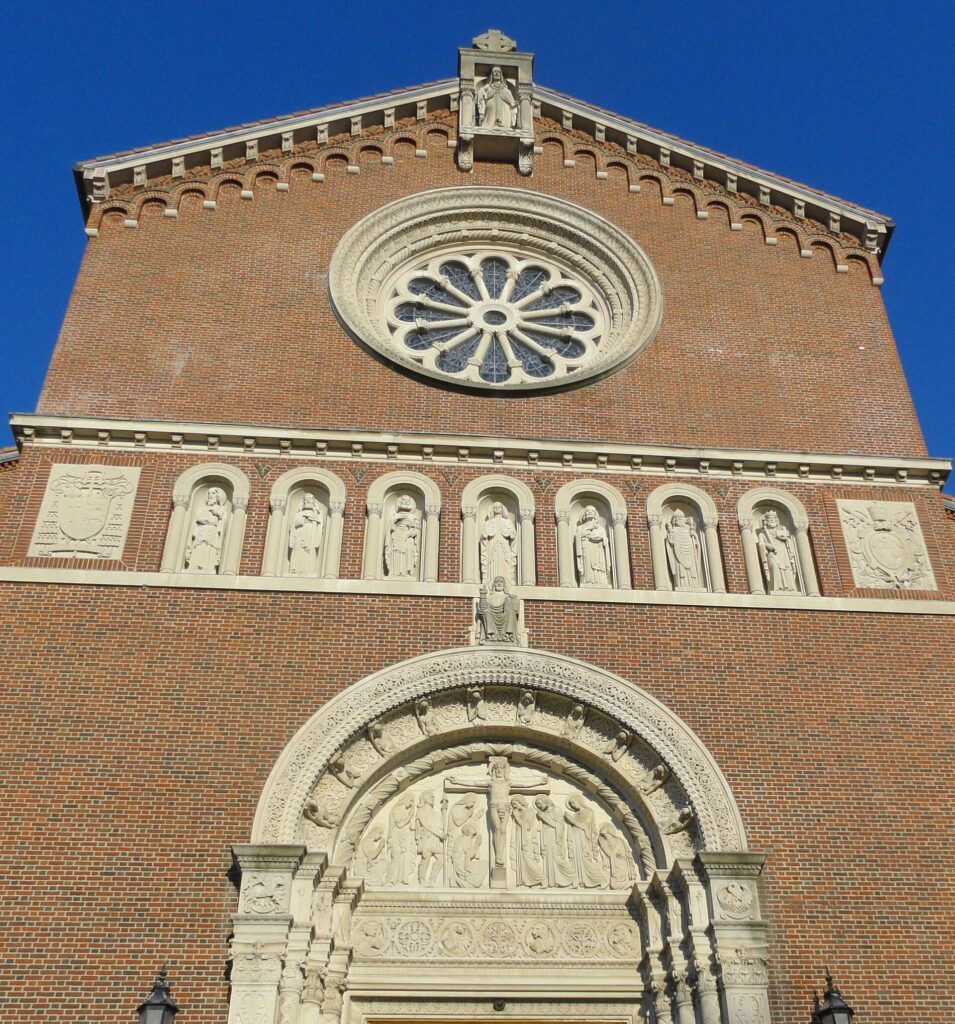
West Roxbury offers a suburban flavor inside city limits, with single-family homes, a classic main street, and access to large parks and conservation land along the Charles.
At Boston’s southwestern edge, West Roxbury offers one of the most suburban environments in the city while still being firmly inside the municipal line. Tree-lined streets of single-family homes, a strong civic life, and access to nearby parks and conservation land make it attractive to families seeking space and a quieter pace.
West Roxbury developed in the nineteenth and early twentieth centuries as transportation links improved along what is now the Needham Line commuter rail. Many of its homes date from this period, and the basic pattern remains: modest houses with yards, driveways, and front porches on relatively wide streets. Compared with neighborhoods closer to downtown, there are fewer multifamily buildings and greater separation between structures, which contributes to the suburban feel.
Centre Street serves as the neighborhood’s commercial spine. Here you find a classic mix of small businesses, including bakeries, hardware stores, barbershops, cafés, and restaurants, along with banks and professional offices. The scale is comfortable and human, and it is common to see people shopping on foot or chatting with neighbors in front of stores. Local civic institutions such as libraries, churches, and youth sports leagues reinforce a strong sense of community.
Parks and open spaces are another draw. Millennium Park, on a former landfill along the Charles River, provides large playing fields, trails, and hilltop views. Nearby conservation areas and parklands in adjoining communities such as Brook Farm and the Stony Brook Reservation offer additional opportunities for hiking and exploring nature. For residents, these green spaces function as an extended backyard that balances the time spent commuting into the city.
West Roxbury’s population includes long-established families, municipal workers, and professionals who appreciate the balance between city access and neighborhood quiet. Commuter rail stations link the area to Back Bay and South Station, while major roads connect to downtown and the suburbs. The sense of being slightly removed from the urban core remains strong, yet cultural and dining options in Jamaica Plain, Roslindale, and Brookline are only a short drive or bus ride away.
For visitors, West Roxbury is not a primary tourist destination, but it offers a useful perspective on how many Bostonians choose to live when they seek more space. Exploring Centre Street and nearby parks can be part of a broader itinerary that includes other southwestern neighborhoods, and it gives a fuller sense of Boston as a city that encompasses both dense urban blocks and quieter residential districts.
Make a day of it
Millennium Park loops and Centre Street storefronts — pair West Roxbury with Roslindale or Hyde Park along the parkway.
Explore the neighborhood