
Rich in African American history and culture, Roxbury is the heart of Black Boston, with murals, churches, Nubian Square, and nearby Franklin Park anchoring community life.
Often called the heart of Black Boston, Roxbury lies south of downtown and just east of Jamaica Plain and Mission Hill. It is one of the city’s most historic neighborhoods and a center of African American culture, activism, and entrepreneurship. From its origins as a separate town settled in the seventeenth century to its role in the civil rights movement and present-day redevelopment efforts, Roxbury has played a central role in Boston’s evolving identity.
Roxbury’s geography is defined by a series of hills and ridges, including Fort Hill, which holds a landmark tower and offers views toward downtown. Residential streets range from rows of nineteenth century brick townhouses and Victorian houses to triple-decker homes and newer apartment buildings. The architecture tells a story of prosperity, disinvestment, and gradual reinvestment, often on the same block.
Nubian Square, formerly Dudley Square, serves as the commercial and transit hub of Roxbury. Here, bus routes converge at a major station, and historic buildings that once housed department stores and offices now contain a mix of shops, cultural organizations, and municipal services. Plans for Nubian Square envision it as a renewed commercial and cultural center, with small businesses, arts venues, and higher education spaces that support local talent and maintain the area’s identity as a Black middle class hub.
Roxbury’s cultural institutions and community organizations are vital to its sense of place. Churches and mosques, community centers, and grassroots groups work on education, housing, public health, and economic development. Murals and public art reflect themes of resilience, racial justice, and local pride. Events such as the annual Roxbury International Film Festival and neighborhood parades draw participants from across Boston.
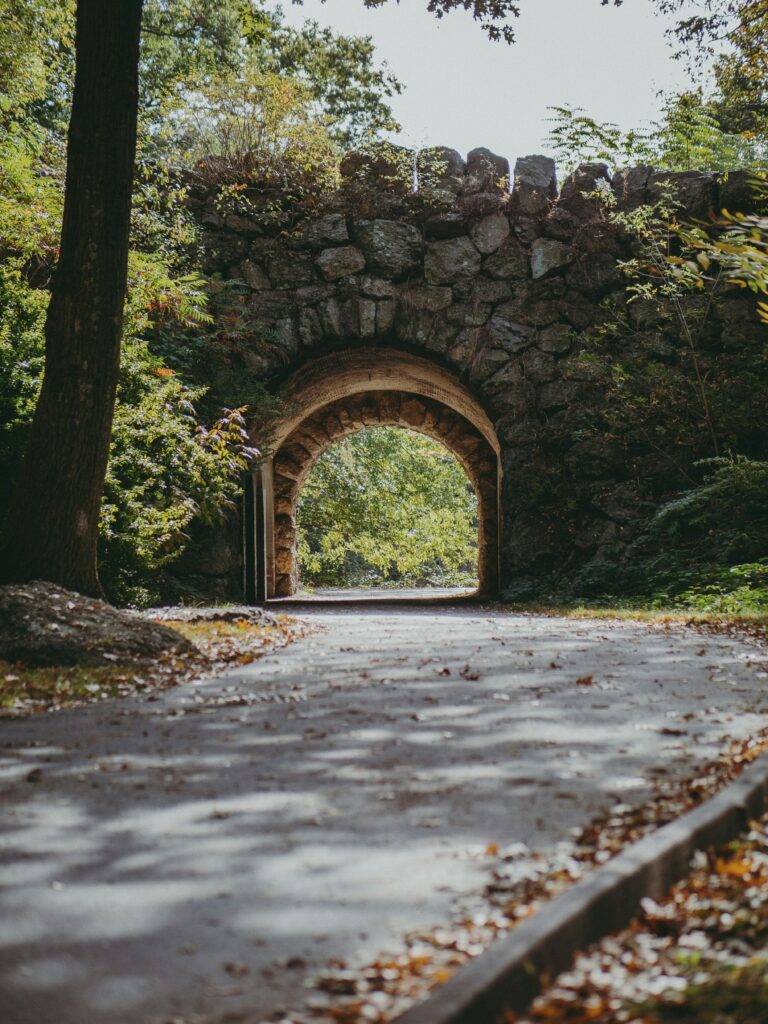
Green spaces, including Franklin Park and several smaller parks, provide recreation and gathering places. Franklin Park, part of Olmsted’s Emerald Necklace, lies partly in Roxbury and offers woodlands, playing fields, a zoo, and walking paths. It serves as a shared backyard for residents of several adjoining neighborhoods.
For visitors, Roxbury is an opportunity to engage with Boston beyond the usual colonial narrative. Walking tours highlight civil rights history, local architecture, and contemporary arts spaces. Cafés and restaurants serve Caribbean, African American, and African cuisines, and small galleries showcase local artists. The Orange Line and multiple bus routes make Roxbury easy to reach from downtown, and combining a visit here with time in nearby Jamaica Plain or the South End offers a fuller picture of Boston’s cultural landscape.
Make a day of it
Nubian Square murals and Franklin Park trails — pair Roxbury with Jamaica Plain across the park or Dorchester beyond it.
Explore the neighborhood