
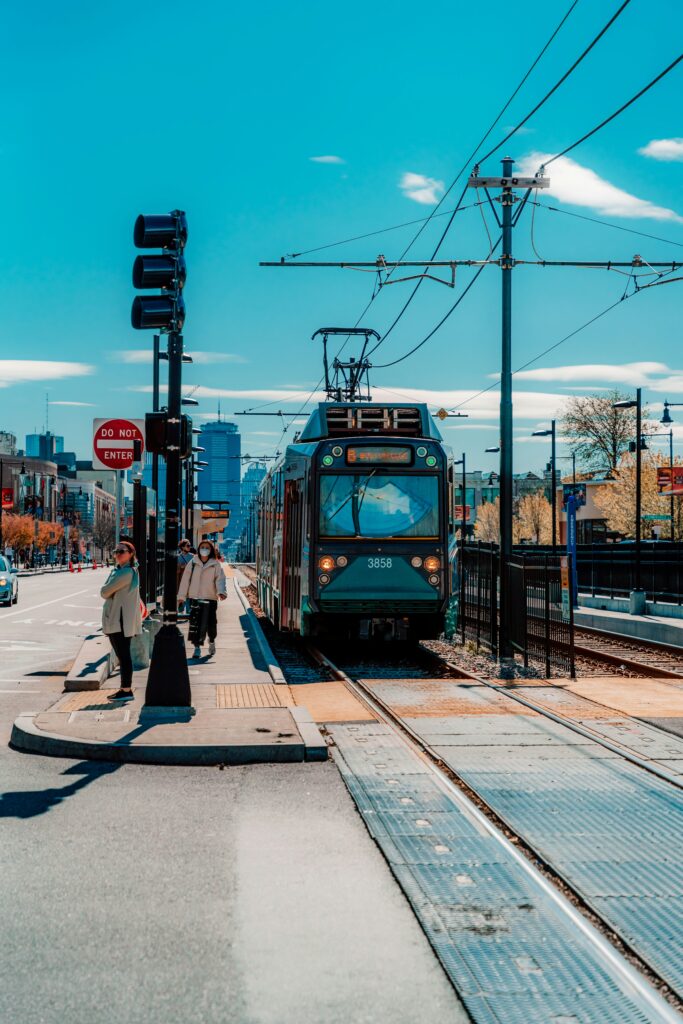
Laid-back and residential, Brighton blends student energy with family life, village-style squares, and easy access to the Charles River, making it a true “city within the city.”
On the northwestern edge of Boston, just beyond Allston and across the Charles River from Cambridge, Brighton feels like a city within a city. Once known as Little Cambridge and later annexed to Boston in the nineteenth century, it has grown into a large residential neighborhood with a mix of student apartments, leafy side streets, and lively commercial centers.
Historically, Brighton occupied an important place in New England’s agricultural economy. In the late eighteenth century, the Brighton Cattle Market supplied food to George Washington’s Continental Army and later became a major regional hub for cattle and slaughtering trades that continued well into the twentieth century. Remnants of that past survive in street names and in the pattern of old commercial blocks around Brighton Center.
Today, Brighton is defined by several distinct nodes. Brighton Center and Oak Square form traditional village centers with low-rise brick buildings, churches, and local shops clustered around busy intersections. Washington Street and Market Street connect these hubs, lined with pubs, bakeries, ethnic restaurants, and long-standing neighborhood businesses. To the south, the Brighton portion of Commonwealth Avenue is dominated by apartment buildings and institutional residences that serve Boston College and other nearby schools, giving the area an academic feel during the school year and a quieter rhythm in summer.
Housing in Brighton is varied. Classic three-decker homes sit beside brick apartment complexes and small condominium buildings, while larger institutional campuses and medical facilities occupy strategic hilltop sites. This diversity supports a wide demographic mix that includes families, long-time homeowners, young professionals, and a significant student and graduate student population who are drawn to relatively more attainable rents and good transit access.
The Charles River is Brighton’s northern boundary and one of its greatest assets. Recreational paths follow the water, offering views of rowers and sailboats and linking the neighborhood directly to Cambridge, Allston, and downtown Boston. Runner-friendly routes, community boathouses, and parklands make the river a daily presence for residents who commute by bike or simply enjoy evening walks along the water.
Transportation is a key part of Brighton’s appeal. Several Green Line branches and multiple bus routes connect the neighborhood to Boston’s core. Although traffic along major streets can be busy, side streets quickly soften into quiet residential blocks with trees, small yards, and pocket parks. This combination of connectivity and relative calm explains why many people who arrive as students later choose to stay.
For travelers, Brighton offers an authentic look at everyday Boston life away from the downtown monuments. It is an excellent base if you plan to attend events at Boston College or nearby universities, or if you prefer a neighborhood with local pubs and restaurants rather than tourist-centered venues. Even if you stay elsewhere, spending an afternoon walking between Brighton Center, Oak Square, and the Charles River will give you a sense of how this historic cattle market evolved into one of the city’s most lived-in and livable areas.
Make a day of it
Combine Brighton’s Oak Square cafés and reservoir walks with Allston’s music and late-night eats next door.
Explore the neighborhood